
8 Ways to Fight Inflammation
Inflammation is a good thing when it helps your body to heal. But your body can overreact and create too much inflammation, like when you have an allergic reaction to otherwise harmless foods or substances. Additionally, diet and lifestyle choices can create a state of chronic inflammation that’s been linked to age-related illnesses like heart disease, Alzheimer’s and cancer. Here are some proven tips for cooling off inflammation and staying well.
- Spices. It may seem counter-intuitive, but spices actually have anti-inflammatory effects.
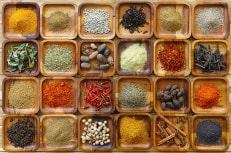 Curcumin, which is found in turmeric, has been shown to suppress inflammation and prevent tumor formation, according to a University of Arizona study. Ginger has also been demonstrated to block inflammation-promoting compounds.
- Omega 3s. Omega-3 fatty acids fight the inflammation that can lead to heart disease, cancer and arthritis.
 Your body can’t make omega-3’s so you have to get them through food, such as omega-3 powerhouses salmon, flaxseeds, and walnuts. These fatty acids also appear to be essential to optimal brain functioning.
- Weight loss. Fat cells can actively contribute to inflammation, particularly when they’re pushed beyond their capacity to store excess calories as fat.
 Far from being passive storage spaces, fat cells are biologically active and generate inflammatory chemicals. If you’re at an optimal weight, they help to maintain balance in your body. But if you’re overweight, they can keep your body in a state of chronic inflammation. Losing weight will decrease the level of inflammation markers in your body, according to at least one study.
- Socialization. Loneliness has been shown to create a stress response in the body that increases the activity of inflammatory genes.
 Having a strong social network can help keep you healthy. Invest time in developing and maintaining friendships and spending time with your family.
- Less red meat. People who derived most of their protein intake from red meat showed higher levels of inflammation than those who consumed more plant-based proteins.
 The study samples are still fairly small, but a general recommendation is to limit your consumption of red meat to no more than two times a week. Choose leaner cuts of meat like sirloin and tenderloins. Focus on increasing your consumption of plant-based proteins like legumes, which includes beans.
- More good bacteria. Studies have shown that people who regularly take probiotic supplements have lower levels of inflammation.
 That’s because inflammation can originate in the gut when there are not enough beneficial bacteria present. You can take a probiotic supplement or try to eat probiotic-rich foods such as yogurt and sauerkraut.
- Less sugar. Sugar intake is associated with higher levels of inflammatory markers.
 Try to limit your intake of processed sugars, which are the worst offenders when it comes to inflammation. Try to satisfy your sweet tooth with naturally sweet foods like fruit instead of processed food like cake and candy.
- Occasional fasts. Giving your body a break from the digestive process through intermittent fasting has been shown to help reverse inflammation and even improve some disease symptoms.
 There are different ways to approach fasting, including eating a restricted number of calories two days a week but eating your regular amount of food the rest of the time. Fasting should always be carried out under a doctor’s supervision.
Try implementing these diet and lifestyle changes for a beneficial anti-inflammatory effect.
 First, we recommend you to check our


