
How to Manage Your Osteoporosis
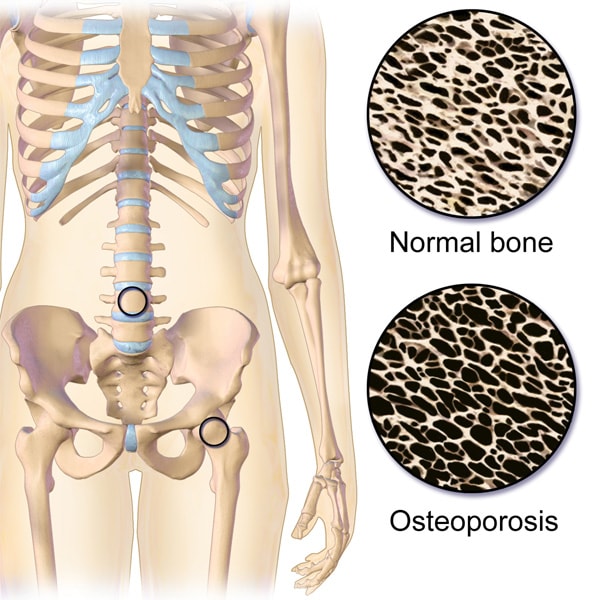 Living with osteoporosis is a challenged faced by millions of Americans, but there are ways to manage your health, prevent your osteoporosis from becoming worse, and live safely and without fear of fractures or bone damage. Having or being at risk for osteoporosis does not have to interfere with your daily life – just follow these tips!
Lifestyle Changes for Managing Osteoporosis
If you are diagnosed with osteoporosis, there are a few changes to your lifestyle that you should make as soon as possible. Osteoporosis is a serious disease with many potential risks to your health and even life, so do everything you can to stay as healthy as possible!
One of the most important steps you can take to manage your osteoporosis is to quit smoking. Not only is it bad for the rest of your body, particularly your lungs and heart, but smoking also increases the rate of bone loss. This will further increase your risk for fracture, which can lead to serious medical complications.
Another important lifestyle change to make is to decrease your intake of alcohol. If you are consuming more than two drinks per day, your bone formation rate may decrease. In addition, drinking can increase your risk of falling due to uneasy balance and decreased awareness while under the influence.
How to Prevent Worsening Symptoms
When suffering from osteoporosis, there are a few things that you can do to effectively manage your bone health and treat any symptoms that may be appearing. As osteoporosis is caused by decreased bone density, it is important to engage in activities and maintain a diet that support bone health in myriad ways.
First and foremost, you should be sure to get the daily recommended levels of calcium and vitamin D, both of which are crucial for bone health. Calcium can be found in dairy products such as milk, yoghurt, and cheeses, and many cereals and orange juices are now good sources of calcium. We often receive enough vitamin D from natural sunlight and daily vitamin and mineral supplements, but it can also be found in fatty fish such as mackerel, tuna, and salmon – these fish are also high in omega 3, which is crucial for brain health, so take the opportunity to test out some new recipes!
It is also important for those living with osteoporosis to engage in high impact, weight-bearing activities, such as jumping rope, running, and dancing, to increase bone strength. While this may seem counterintuitive, such activities will actually build and maintain bone density, though they should be avoided if you have already broken a bone or are at a very high risk for fracture – try speed walking or using an elliptical if this is the case. You should also strengthen your muscles in order to increase your stability and protect yourself from falling: squats are particularly good for building strength in the quads, which can reduce the risk of hip fractures, while using weight machines and lifting with dead weights are great for overall body strengthening.
Reducing the Risk for Falls
While making lifestyle changes and building your bone and muscle strength are excellent ways to increase your bone health, it is also important to reduce your risk of falling in order to further prevent bone fractures. There are several adjustments you can make to your home, as well as your daily life, to prevent falls due to osteoporosis.
Within your home, consider adding handrails in places where falls often occur. For instance, adding a safety rail to your bathtub, shower, and next to the toilet will help you steady yourself along surfaces that are often slick and slippery. You can also add a safety handle by your front door to help you step up into your home or as a precaution in case of slipping due to inclement weather. Also be sure to have a sturdy handrail on any staircases in your house, as well as on any front porch or deck stairs that you might have.
When out and about, prevent falls by wearing shoes with low heels and non-slip soles, and consider using a cane if you are particularly worried or unsteady on your feet. You might also want to consider using a medical alert system, especially one with fall detection, so that emergency services will be alerted automatically if you fall. It’s always better to be safe than sorry!
Hopefully this information has given you some good tips and advice for managing your osteoporosis and reducing further bone loss. Though some adjustments to your lifestyle might be necessary, they will be worth it in the end!
 First, we recommend you to check our


